The Ultimate Guide to Hypoallergenic Jewelry Materials: What to Buy (and What to Avoid) in 2025

Did you know that nearly 17% of women and 3% of men suffer from jewelry allergies? That itchy, red rash after wearing your favorite earrings isn't just annoying – it's your skin crying out for help! I've been there too, dealing with painful reactions from what I thought was 'good' jewelry. The culprit? Common allergic materials like nickel that sneak into so many pieces. But here's the good news: understanding hypoallergenic jewelry materials can completely transform your jewelry-wearing experience. No more taking off your rings halfway through the day or avoiding certain metals altogether!
Common Jewelry Materials That Cause Allergic Reactions

If you've ever experienced itchy, red, or irritated skin after wearing jewelry, you're definitely not alone. Jewelry allergies affect millions of people, and the culprit is usually one of a few common materials lurking in your favorite pieces.
Nickel is by far the biggest troublemaker. This sneaky metal shows up in tons of costume jewelry, especially those cute, affordable pieces you'll find at fast fashion stores. Even jewelry that doesn't look silver or metallic might contain nickel in its base metals or plating. The frustrating part? You might not react immediately – sometimes it takes hours or even days of wear before your skin starts protesting.
Here's one that surprises many people: brass and bronze jewelry can also contain traces of nickel. These metals might seem more natural and safe, but they're actually alloys (mixtures of different metals), and nickel is often part of the recipe.
Top Hypoallergenic Jewelry Materials for Sensitive Skin
The good news? There are plenty of gorgeous, skin-friendly options that won't leave you scratching or dealing with unsightly rashes.
Gold is your best friend – but quality matters. Look for 14k gold or higher, as these contain less of the alloy metals that typically cause problems. 18k gold is even better, and solid gold pieces are worth the investment if you wear jewelry daily. If solid gold is out of your budget, gold-filled and high-quality gold-plated pieces can be great alternatives, as long as the plating is thick and the base metal underneath is hypoallergenic.

Surgical-grade stainless steel is another fantastic option, especially for everyday pieces like earrings or simple chains. It's durable, affordable, and the same material used in medical implants – so you know it's designed to play nice with your body. Plus, it won't tarnish or require much maintenance.

For those willing to splurge, titanium and platinum are the premium choices. Titanium is incredibly lightweight and strong, making it perfect for people with severe metal sensitivities. Platinum is luxurious and naturally hypoallergenic, though it comes with a higher price tag.
How to Identify Safe Jewelry Before You Buy
Shopping for hypoallergenic jewelry doesn't have to be a guessing game. With a little know-how, you can spot safe pieces before you buy.
Always read the fine print. Look for specific metal stamps like "14k," "18k," "925" (for sterling silver), or "surgical steel." Vague descriptions like "metal alloy" or "fashion metal" are red flags. If a piece is plated, the description should tell you both what the base metal is and what it's plated with.

When shopping from independent jewelry makers or at craft fairs, don't be shy about asking questions. Ask specifically about nickel content, what metals are used in the base, and how thick any plating is. Reputable makers who understand allergies will be happy to share this information.
Watch out for warning signs like prices that seem too good to be true, jewelry that feels unusually heavy or light for its size, or pieces that already show signs of wear in the store. If a seller can't or won't tell you what metals are used, that's your cue to walk away.
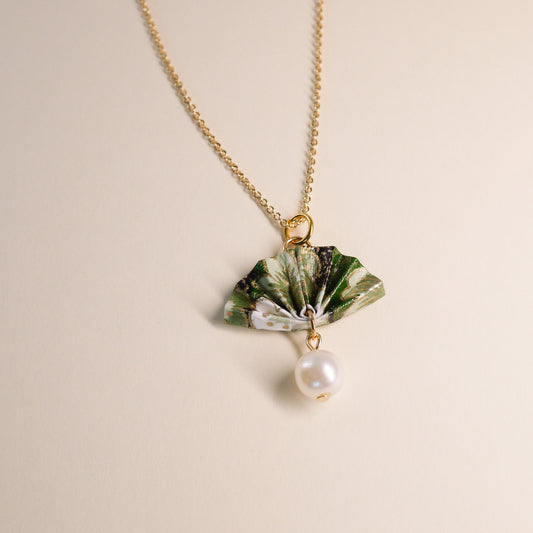
 Stainless steel double hoop necklace by Kamyi.Art
Caring for Your Hypoallergenic Jewelry
Even the best hypoallergenic jewelry needs proper care to stay skin-friendly over time.
Gentle cleaning is key. Avoid harsh chemicals that might strip protective coatings. For gold and platinum, a soft cloth is usually all you need. Stainless steel can handle a bit more scrubbing if needed.
Storage matters more than you might think. Keep pieces separated so they don't scratch each other, and store them in a dry place. Humidity can cause tarnishing and break down protective coatings faster. Those little anti-tarnish strips you can buy are actually worth using.
Know when it's time to say goodbye. Plated jewelry won't last forever, and once the plating wears through, even the most hypoallergenic top layer won't protect your skin from whatever's underneath. If you notice discoloration, flaking, or your skin starts reacting to a piece that used to be fine, it's probably time for a replacement.

Finding the right hypoallergenic jewelry materials doesn't have to be a guessing game anymore. Whether you're drawn to the warm glow of 18k gold-plated pieces or the durability of stainless steel, there are beautiful options that won't leave your skin angry and irritated. Remember, investing in quality hypoallergenic materials means you can actually enjoy wearing your jewelry all day long! Start by checking what you currently own, and don't be afraid to ask questions when shopping for new pieces. Your skin will thank you, and you'll finally have a jewelry collection you can wear with confidence.
❓ FAQ: Hypoallergenic Jewelry Materials
Q: What does “hypoallergenic” mean in jewelry?
A: It means the materials used are less likely to cause allergic reactions, especially important for those with sensitive skin or metal allergies.
Q: What jewelry metals are safest for sensitive skin?
A: Titanium, niobium, surgical stainless steel, and gold are all considered safe, hypoallergenic options.
Q: Which metals should I avoid if I have a nickel allergy?
A: Avoid cheap alloys and costume jewelry that contain nickel, brass, or uncoated base metals because these are common irritants.
Q: Is stainless steel safe for sensitive ears?
A: Surgical-grade stainless steel is usually safe and widely used in hypoallergenic earrings.
Q: Does Kamyi.Art offer hypoallergenic jewelry?
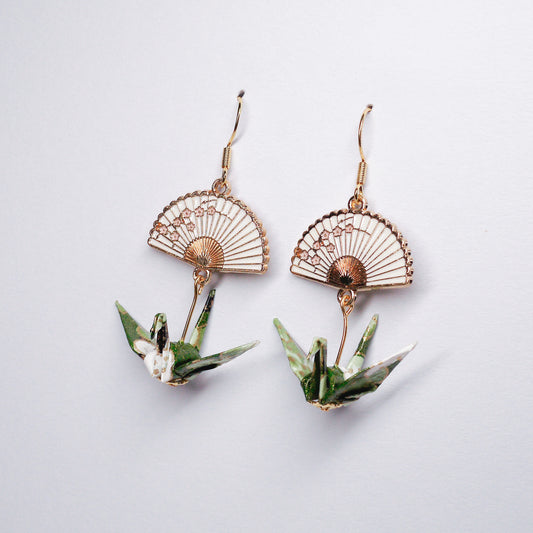
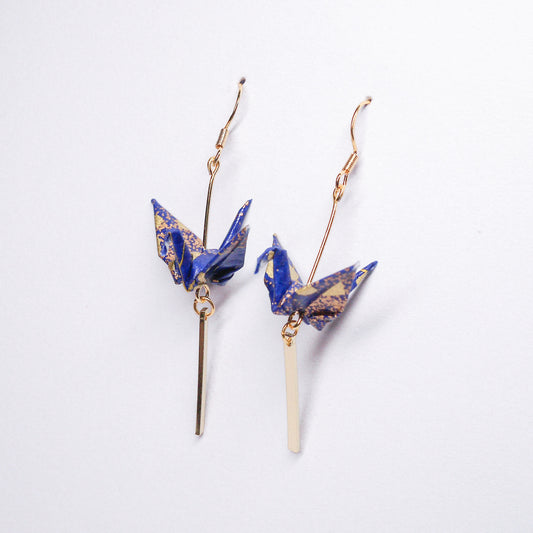
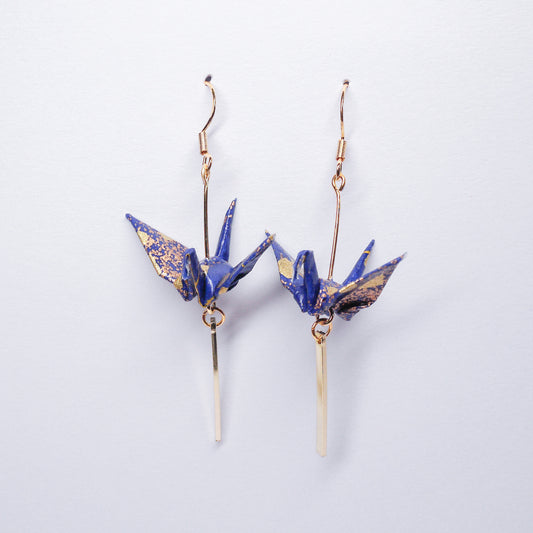
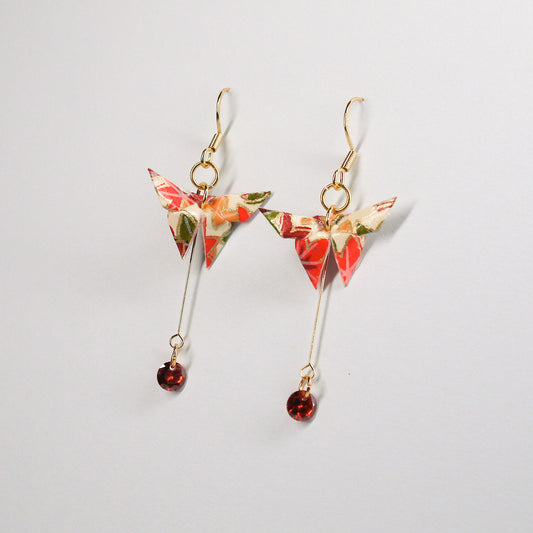
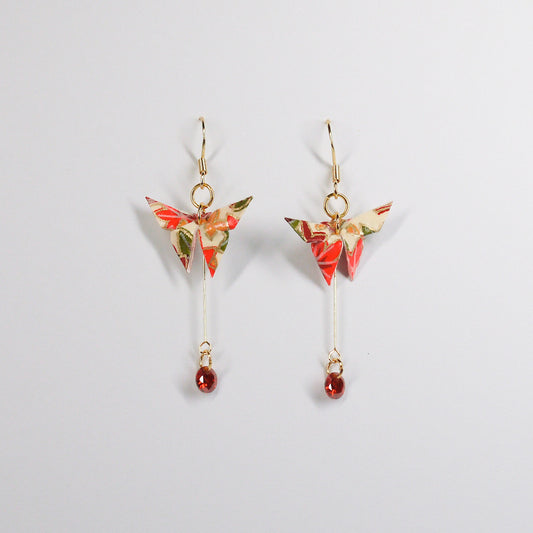
A: Yes! All Kamyi.Art earrings use hypoallergenic hooks and findings.