The Meaning of 1000 Paper Cranes (Senbazuru) and Why They Inspire Hope

Did you know a single paper crane can carry the weight of the world’s hopes? In Japan, there’s a beautiful belief: if you fold 1,000 paper cranes, your deepest wish will come true. This tradition, called Senbazuru, has touched hearts across the world and history. The story became even more powerful through a young girl named Sadako Sasaki, whose brave journey turned this ancient custom into a global symbol of peace. Whether you’ve seen cranes in hospitals, peace parks, or community centers, you’re witnessing something truly special.
What Is Senbazuru?

Senbazuru (千羽鶴) is the practice of folding 1,000 paper cranes. It’s based on the Japanese legend that cranes live 1,000 years, and folding 1,000 cranes will grant a wish for healing, long life, or good fortune.
What Does Paper Crane Symbolize?
Cranes have long symbolized hope, peace, and healing in Japan. They’re also seen as loyal and spiritual animals, often appearing in traditional art and clothing. Some believe they help carry souls to paradise. Over time, the act of folding cranes became more than folklore and it turned into a meaningful ritual. Families fold them for loved ones facing illness or hardship. Each crane becomes a quiet prayer, and completing all 1,000 shows dedication and hope.

Sadako Sasaki: A Symbol of Peace
The story of Sadako Sasaki is what helped make Senbazuru globally known. Born in 1943, Sadako was just two when the atomic bomb hit Hiroshima. She seemed healthy growing up, but in 1955, at age 12, she was diagnosed with leukemia, what many called “atom bomb disease.”
While in the hospital, a friend told her the legend of 1,000 cranes. Sadako began folding them with anything she could find—medicine wrappers, scrap paper, even candy wrappers. Some say she folded over 1,000. Others say she made 644, and her classmates finished the rest. Either way, her story spread, and her cranes became powerful symbols of peace and remembrance.

Children around the world connected with her story and her wish for peace. Today, Sadako’s cranes live on in art, books, and peace memorials.
Why Paper Cranes Still Matter Today
Senbazuru has become a worldwide tradition. You’ll find strings of cranes in hospitals, memorials, and schools, especially after natural disasters or tragedies. No matter the purpose, the message is the same: care, connection, and shared intention.
Many people today fold 1,000 cranes for personal reasons—healing, grief, a big life change, or even just mindfulness. The key is intention. The belief is that your wish should stay focused as you fold.
Folding can be calming, even meditative. It encourages you to slow down and focus on something simple and meaningful. For group projects, offer easy instructions and designate helpers. Choose colors that match your cause or bring you joy. Think about how you’ll display the finished cranes—maybe the traditional hanging strings or another creative form.

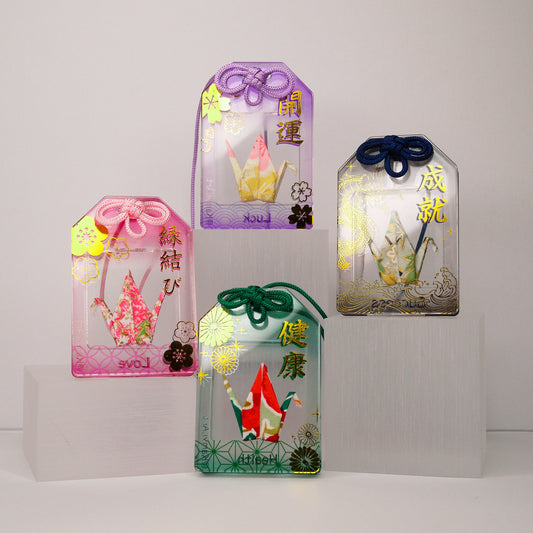
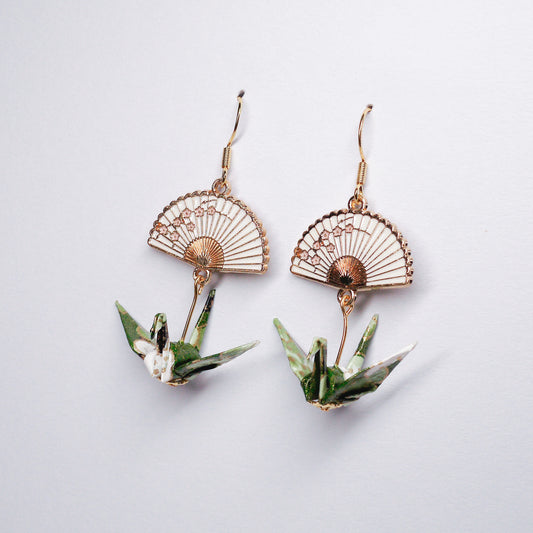
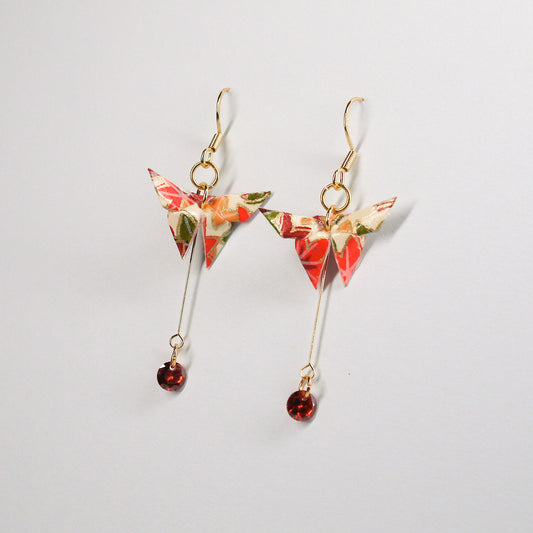
Origami Crane Charms for Decoration by Kamyi.Art
Finishing 1,000 cranes takes time, and that effort is part of the gift. Every fold becomes a symbol of love, care, and hope.
❓ FAQ: The Meaning of 1000 Paper Cranes (Senbazuru)
Q: What is the meaning behind folding 1000 paper cranes?
A: In Japanese tradition, folding 1,000 paper cranes, called Senbazuru, is believed to grant a wish and symbolize hope, healing, and peace.
Q: Where does the 1000 cranes tradition come from?
A: The tradition comes from Japanese folklore that says cranes live 1,000 years and will grant a wish to anyone who folds 1,000 of them with intention.
Q: Who is Sadako Sasaki and why is she important to this tradition?
A: Sadako Sasaki was a young Hiroshima survivor who began folding cranes while battling leukemia; her story helped make Senbazuru a global peace symbol.
Q: What are paper cranes used for today?
A: People fold paper cranes to offer comfort, mark remembrance, celebrate recovery, or promote peace after personal loss or tragedy. Brands like Kamyi.Art also transforms folded cranes into lasting keepsakes like earrings and charms.
Q: What materials do you need to fold 1000 cranes?
A: All you need is origami paper (usually 6” x 6” squares), patience, and a clear intention; some people also string the cranes together into garlands.
Q: Can I start a Senbazuru for someone else?
A: Yes! People often fold cranes as a gift or group project for a loved one going through illness, grief, or a major life milestone. Whether folded by hand or gifted as a symbolic piece, the meaning remains powerful.